

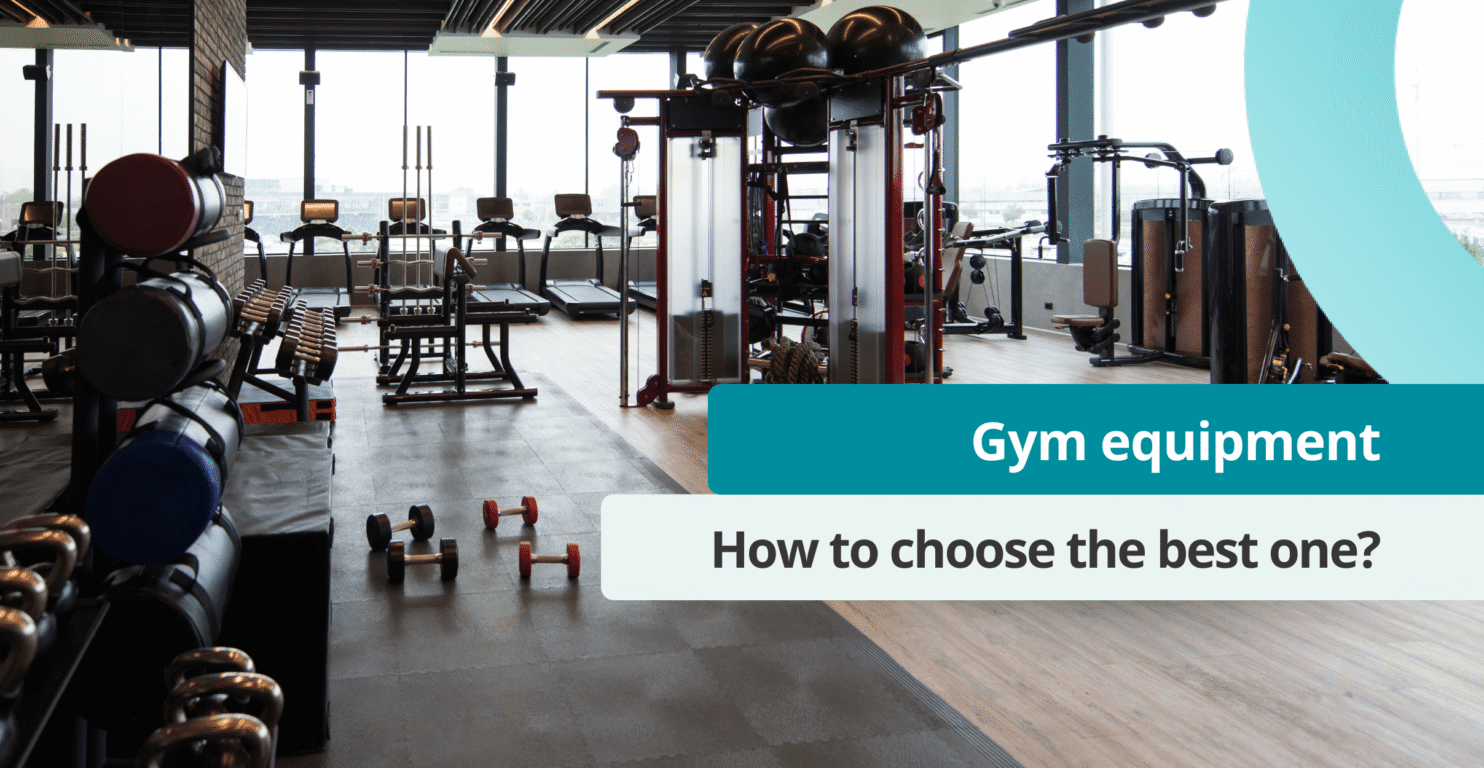
Opening a gym is a complex logistical project. Choosing the right equipment is one of the most important decisions affecting long-term profitability. However, purchasing machines is only part of the equation. The other is making the most of the ecosystem created by your equipment and software, particularly when it comes to cardio machines.
Choosing an equipment manufacturer isn’t just about how your facility looks. It’s a strategic decision that shapes your members’ experience, influences your total investment costs and determines how much time and effort your technical team will spend on maintenance and repairs.
Gym Equipment Categories and What Sets Them Apart
Commercial gym equipment differs from home-use machines primarily in its duty cycle. Professional equipment is built to operate continuously for 12–16 hours a day. It generally falls into three main categories, each presenting its own engineering challenges.
Cardio Equipment
Treadmills, ellipticals and exercise bikes are among the most popular machines in this category. They are also the most technologically advanced, combining sophisticated electronics with high mechanical loads. Look for manufacturers offering AC motors rated at least 3-4 HP and automatic belt lubrication systems. These features help reduce maintenance frequency and lower long-term servicing costs.
Selectorized Strength Machines
In this case biomechanics is everything. A quality manufacturer designs resistance curves that closely match the natural strength curve of the human body. Pay close attention to the smooth operation of the weight stack and the quality of the bearings, as these have a direct impact on how comfortable and consistent the training experience feels.
Free Weights
The foundation of every strength training area. Barbells should provide the right amount of whip, typically measured by PSI ratings, while dumbbells should be made from impact-resistant polyurethane rather than inexpensive rubber, which tends to crack over time and often develops an unpleasant odor.
Comparing Manufacturers by Market Segment
Breaking manufacturers into market segments makes it easier to match equipment to your business model and investment budget.
1. Reliable Budget-Friendly Options
These brands are designed for clubs focused on fast return on investment, durability and dependable performance without unnecessary extras.
- SportsArt: A unique manufacturer known for its commitment to sustainability. Its Eco-Powr technology captures energy generated during cardio workouts and feeds it back into the power grid, helping reduce electricity costs.
- Core Cops Polska (Star Trac, Nautilus): Distributor of brands that have long been industry staples. Their equipment is „analog” in the best sense of the word-functional, straightforward and exceptionally durable.
- Tiguar: Poland’s leading soft equipment brand. Its mats, dumbbells, kettlebells and accessories are designed for intensive commercial use. Choosing Tiguar means investing in long-lasting products that outperform many low-cost imported alternatives in both quality and appearance.
2. Innovative Premium Solutions
In this segment, operators invest in brand prestige, advanced technology and fully connected digital ecosystems. Technogym sets the benchmark for premium design and member retention through its Mywellness ecosystem, while Top Gym, supplying brands such as Life Fitness and Hammer Strength, remains one of the leading providers of professional strength training solutions.
Matrix stands out for its open multimedia consoles, making integration with third-party management systems significantly easier. Precor continues to be a benchmark in the cardio segment, while Italy’s Panatta Sport serves operators looking for highly specialized biomechanics and unique movement patterns that are rarely found in mass-produced equipment.
What Matters Beyond Price? Service and Parts Availability
In professional gym management, the purchase price represents only a fraction of the total cost of ownership. That’s why evaluating service capabilities, machine kinematics and Life Cycle Cost (LCC) is essential. Experienced operators assess suppliers based on the availability of technical documentation and the standardization of replacement components such as cables, pulleys and bearings.
Equally important is the Service Level Agreement (SLA), which defines service response times. In high-traffic facilities, every day a treadmill or stair climber remains out of service results in both financial losses and member dissatisfaction, increasing the risk of cancellations.
Equipment longevity also depends heavily on material quality. Durable upholstery rated for tens of thousands of Martindale abrasion cycles and frames protected with dual-layer powder coating provide long-term resistance against moisture, sweat and corrosion.
Smart Infrastructure: Connecting Equipment with Management Software
Today’s fitness clubs are no longer collections of standalone machines. They operate as connected ecosystems where equipment and software work together to improve both operations and member engagement.
Modern retention strategies rely on seamless integration between fitness equipment and club management software through technologies such as ANT+, Bluetooth and cloud-based APIs.
This connectivity allows machines to automatically recognize members, load their personal profiles and transfer workout data directly to the mobile app. Members enjoy a more personalized experience, while operators gain valuable insights into facility usage.
For club managers, digitalization also enables professional asset management. By continuously monitoring the performance of cardio equipment, management systems can report treadmill belt wear, motor performance and other technical parameters in real time.
This makes it possible to rotate equipment strategically across the facility, distribute usage more evenly, extend equipment lifespan and optimize preventive maintenance schedules.
How to Evaluate Gym Equipment Suppliers
Before investing in equipment for your facility, evaluate suppliers using these three steps.
1. Test Equipment at Trade Shows (e.g. FIBO)
Don’t judge equipment by appearance alone. Try the machines yourself, load the weight stacks to their maximum capacity and check whether the frame remains stable under heavy loads. Pay attention to how smoothly the machine moves throughout the full range of motion and whether any sticking points appear. Trade shows also provide a unique opportunity to compare the biomechanics of competing brands side by side.
2. Talk to Existing Customers
Marketing brochures always promise exceptional durability, but nothing replaces seeing equipment in a busy club that has been using it for at least three years. This is where you discover how products perform in real-world conditions.
Inspect the upholstery for worn stitching or cracking and examine the frames carefully, especially around cardio machine bases and seat adjustment mechanisms, where corrosion caused by sweat and cleaning chemicals tends to appear first.
3. Assess the Service Network
Ask distributors directly how many service technicians they have in your region and whether critical replacement parts are available locally. Every machine will eventually require maintenance or repairs. The key question is whether the issue can be resolved within 48 hours or whether your cardio area could remain partially out of service for weeks while components are shipped from overseas.
Choosing a reliable equipment supplier makes day-to-day club operations significantly easier. However, premium equipment is only one part of a successful fitness business. Equally important is a modern club management platform like eFitness, which streamlines operations, supports sales and helps fitness businesses build a sustainable competitive advantage. Combining reliable infrastructure with intelligent management creates the foundation for long-term growth.