

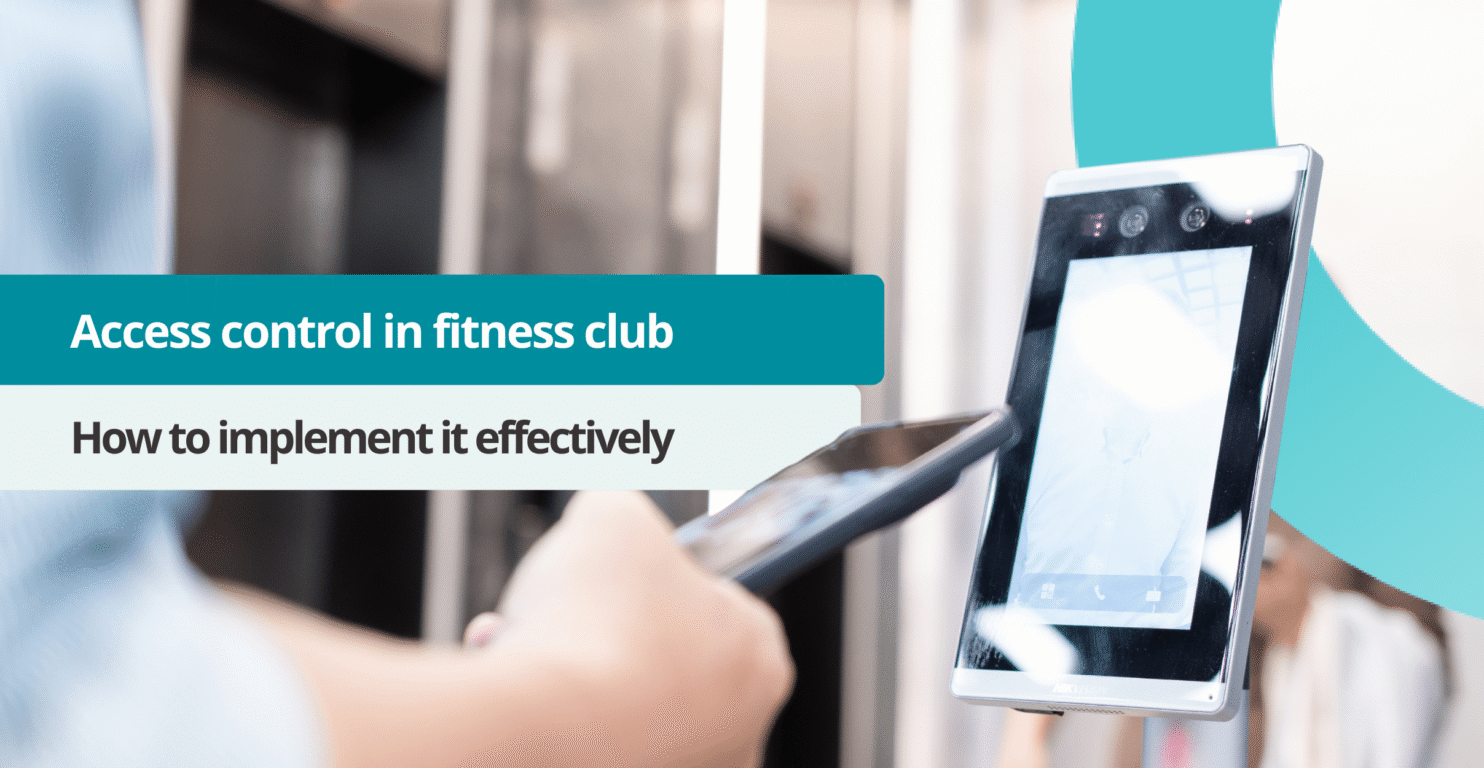
Implementing automated access control is about much more than installing entry devices. It affects almost every aspect of a fitness club’s operations – from security and staff workflows to the member experience and the long-term scalability of the business. When implemented correctly, access control quickly becomes an integral part of daily operations while strengthening the club’s professional image.
For this reason, the process should not begin with choosing a specific device or technology. The first step is understanding how the club operates, what challenges it faces and what goals it wants to achieve. Only then is it possible to design an access control solution that truly supports the business instead of adding unnecessary complexity.
An effective access control system is not just a turnstile, a QR code scanner, or an RFID reader. It is a carefully designed ecosystem that streamlines operations, automates facility access and gives club operators complete control over member traffic.
Step 1: Analyze Your Club’s Needs
A successful access control project starts with a thorough analysis of the club’s operational needs. Without this step, even the most advanced technology may fail to deliver the expected results.
Every fitness club operates differently. Opening hours, membership volume, facility layout, staffing structure and growth plans all influence how an access control system should be designed. Before selecting any technology, it is important to understand how the club functions on a daily basis and identify the challenges related to managing member access.
Key questions to consider include:
- What are the club’s current and future opening hours?
- How many members use the facility throughout the day, and when are peak hours?
- Should access control cover only the main entrance or also individual areas within the club?
- Will different membership types require different access permissions?
- How can automation support the reception team and reduce repetitive administrative tasks?
Many clubs offer memberships with different levels of access – for example, premium members may have access to additional training areas or wellness facilities. A well-designed system should make it easy to manage these permissions automatically.
This stage is also the right time to evaluate existing workflows and management tools. Access control should simplify daily operations, reduce manual tasks and support the team rather than create additional work. Defining the role technology will play from the outset lays the foundation for a smooth implementation process.
Step 2: Choose the Right Software and Hardware
Once the club’s requirements have been clearly defined, the next step is selecting the right technology.
Access control should always be viewed as a complete system rather than a collection of individual devices. The most effective solutions combine powerful software with carefully selected hardware, each serving a distinct purpose within the overall system.
The software manages access rules, member permissions, integrations and operational data, while the hardware – including turnstiles, RFID readers, biometric devices and QR code scanners – provides the physical access points used by members and staff.
When choosing a solution, clubs should consider more than just the devices themselves. Ease of use, processing speed, scalability, and compatibility with existing systems are equally important. The selected hardware should also match the facility’s layout and expected member traffic to ensure a smooth entry experience.
Integration with a club management system is another essential factor. Access permissions should update automatically based on membership status, contracts and payments, eliminating the need for manual administration and ensuring that only authorized members can access the facility.
Finally, it is important to think beyond current requirements. As the club grows, the access control system should be able to support new locations, additional access zones and evolving operating models. A future-ready solution should enable growth, not limit it.
Step 3: Configure the System and Prepare Your Club
Once the solution has been designed, it’s time to configure the system. This stage plays a crucial role in ensuring both a smooth experience for members and efficient day-to-day operations for your team.
Configuration involves defining access rules for different membership types, setting entry schedules, and linking access permissions to each member’s status. The system should respond automatically to changes such as new memberships, expired contracts, or overdue payments – without requiring manual intervention from staff.
Testing is equally important. Before the system goes live, it’s essential to verify how it performs in different scenarios and ensure that every access rule has been configured correctly. Identifying potential issues early helps minimize disruptions after launch and reduces the number of situations that require staff intervention.
A well-configured system provides a seamless experience from day one while giving club operators confidence that access is being managed accurately and consistently.
Step 4: Deploy the System and Go Live
Deployment is the stage where the access control solution becomes part of your club’s daily operations. It includes installing the hardware, completing the final system configuration, and testing the entire solution under real operating conditions.
At this stage, the focus is on ensuring that every component works together as expected. Integrations are verified, device connectivity is tested, and real-life access scenarios are checked to confirm that members can enter the club quickly and without issues.
A successful deployment should have minimal impact on the club’s daily activities. When carefully planned, the transition to an automated access control system is smooth for both staff and members. The technology should feel like a natural improvement to the member experience – not an additional barrier.
Step 5: Train Your Team and Provide Ongoing Support
Even the most advanced access control system depends on the people who use it every day. That’s why staff training is a key part of every successful implementation.
Reception staff, managers and trainers should understand how the system works, how access permissions are managed and how to respond to common situations that may arise during daily operations. A confident, well-prepared team can resolve issues quickly while providing members with consistent, professional support.
It’s equally important to offer ongoing assistance during the first weeks after launch.This is when most questions arise and new situations begin to appear, making access to expert support especially valuable.
A successful implementation doesn’t end when the system goes live. Continuous support ensures that the solution continues to deliver value as your club evolves and your operational needs change.
Step 6: Monitor Performance and Optimize Your System
Implementing access control is not the final step – it’s the beginning of a continuous optimization process. Once the system is up and running, clubs should regularly monitor its performance and look for opportunities to improve both operations and the member experience.
Modern access control systems provide valuable insights into how members use the facility. By analyzing entry patterns, occupancy levels and access history, operators can identify peak hours, optimize staffing and make better-informed business decisions.
Monitoring system performance also helps detect potential issues before they affect daily operations. Regular reviews of access logs, user permissions and device status ensure the system continues to operate securely and efficiently as the club grows.
As membership numbers increase or new locations are added, access control settings can be adjusted to support changing operational needs – without disrupting the member experience.
Access Control Is More Than Just Technology
An effective access control system is about much more than managing entry. It helps automate routine processes, strengthens security, improves operational efficiency and creates a more seamless experience for members.
The most successful implementations begin with a clear understanding of the club’s needs and combine the right hardware with software that works as one integrated ecosystem. This approach allows fitness businesses to simplify daily operations today while building a scalable foundation for future growth.
With eFitness Access Control, clubs can manage memberships, facility access and day-to-day operations from a single platform. Integrated with the eFitness Club Management System, it supports a wide range of access technologies (including RFID readers, QR codes, biometric authentication, turnstiles and security portals) while providing real-time control over member access and facility occupancy.
Whether you’re opening a fully self-service 24/7 gym or modernizing an existing fitness club, eFitness Access Control helps you automate operations, improve security and deliver a seamless experience for your members.